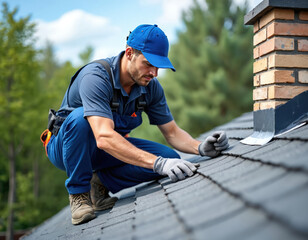
Tile roofs require more precise handling and higher labor rates that affect repair prices. They also need regular inspections and maintenance to avoid extensive damage that requires more costly repairs in the future.
Small cracks on tile surfaces respond well to roofing adhesive, but extensive damage or large surface areas may need replacement tiles. Regular roof inspections can catch these problems early so that leaks don’t occur. Contact West Seattle Roofing for more details.
Tile Repair
Tile roofs are beautiful and durable, but they aren’t immune to damage. Like any roofing material, they need proper care to protect the integrity of the structure and minimize water infiltration. The type of repair required, however, depends on the roof’s age and location. Tile repairs tend to cost more than shingle repair jobs because the materials and labor are more specialized. The extent of the damage and other factors also affect the final cost of repair.
Common issues with tile roofs include cracked or broken tiles from impact or heavy weather, loose or slipped tiles from poor installation or shifting over time, and leaks from moisture infiltration. In addition, moss and algae growth can create slippery conditions or damage the tiles below. Repairing these problems promptly protects the roof from further damage and prevents water infiltration.
To repair cracked or damaged tiles, first clean the area and remove any debris such as leaves or twigs that may have collected. Then, apply a waterproof sealant to the entire surface. For a small crack, use a roofing adhesive to connect the edges of the damaged tile, making sure they’re securely joined. If the crack is too large for a filler, replace the tile with a new one. Position the new tile carefully, then secure it with roofing adhesive or caulking.
Like tile, shingle roofs are vulnerable to the same types of damage, but they can experience more frequent repairs because the materials break down faster due to weather and sun exposure. Fortunately, the lifespan of shingles is longer than tile roofs, so the repairs can be less expensive overall.
Regular maintenance of a shingle roof includes cleaning gutters to prevent clogs and keep water from backing up under the shingles, trimming back tree limbs that hang over the roof to reduce debris buildup and impact damage, and scheduling regular inspections with a qualified roofing contractor to identify minor issues before they become serious. Inspecting the roof after every storm is important, along with addressing any underlying issues that might contribute to water infiltration or structural damage.
Shingle Repair
Like tile, shingle roofs are susceptible to damage and must be repaired. However, shingle repairs tend to be less costly than tile. This is due to a combination of factors, including the type of roof, materials, and geographic location. Additionally, tile is heavier and requires a strong roof structure, while shingles are manufactured from cost-effective asphalt and fit more home styles.
Shingles are more likely to show wear in small ways, such as curling from heat or moisture. These issues can be addressed by applying a coating to prevent further deterioration. The most common shingle repair is replacing damaged or missing shingles. If left unchecked, these small issues can lead to leaks and other structural problems.
The best way to identify shingle damage is by conducting regular roof inspections, at least twice a year, preferably in spring and fall. These inspections can help spot bald spots, missing shingles, and other potential issues before they become more serious. Before attempting any roof repair, make sure the ladder is stable and that you’re working in safe conditions. If the roof is accessible, carefully lift the surrounding shingles with a pry bar and remove any nails that hold the damaged shingle in place.
Cracking, tearing, or blistering shingles are more serious problems that may require roof replacement. These issues are often caused by extreme weather events or aging, but they can also result from improper installation or excessive heat exposure. If you see shingles that are in this condition, contact a professional for an estimate on replacement costs.
A shingle roof can also become loose or damaged by tree branches and debris, making it more prone to leaks and other structural problems. This is why it’s important to regularly trim overhanging branches and keep your gutters clear. In addition, a well-ventilated attic and properly functioning skylights can also improve shingle durability. The most important thing is to act quickly when you notice any roof damage or signs of deterioration. This can help you save money, avoid structural problems, and extend the life of your roof.
Flashing Repair
The flashing on a tile roof is a crucial part of the protection system. It seals the gap between the tiles and the underlayment, preventing water leaks. Regular inspection and maintenance of the flashing can extend its lifespan, reducing future repair costs and preventing water damage to the home below.
Tiles themselves may break or crack due to a variety of reasons, such as heavy rains or wind-driven debris. These issues often require the attention of a professional. If the extent of the damage is extensive or the roof requires structural repair, it will likely be more cost-effective to hire a roofing contractor for a full inspection and complete repair.
To determine if a cracked tile can be repaired with adhesive or needs replacement, carefully lift the surrounding tiles to access the damaged area. If the crack is small and isolated, it may respond well to a coating of adhesive; however, deeper surface cracks or multiple broken tiles will need to be replaced. Once the cracked tile is removed, clean the area thoroughly to remove dirt, dust, and any remaining adhesive. Then, apply a liberal coat of roofing cement over the affected area and press it firmly in place. Use a trowel to smooth out any excess cement for a seamless finish. Allow to dry before inspecting your work.
It is important to inspect a tile roof at least twice a year for any signs of damage or deterioration. During these visual inspections, look for loose or missing tiles, cracks in the grout, and damaged or corroded flashing. You should also check that the roof is draining properly and that gutters are free of debris and obstructions.
It is common for vents to become dislodged or cracked over time, allowing water to seep into the roof and cause damage. If your tile roof has a damaged or deteriorated vent, it’s important to replace it promptly to prevent leaks. To do this, first remove any debris that has accumulated around the vent. Then, carefully re-secure or replace the vent and apply a waterproof caulking to create an extra layer of defense against water penetration.
Underlayment Repair
While shingles and tiles may be the most visible components of roofs, the layer beneath them, known as underlayment, is vital to longevity. Underlayment protects the roof structure from moisture penetration, which is especially critical in Severance, where extreme summer heat and daily temperature fluctuations can stress materials and create leaks. Extending the life of a tile or shingle roof hinges on two key practices: the right type of underlayment and precise installation. The underlayment’s courses should overlap sufficiently, creating a seamless barrier impenetrable by water; this meticulous approach to installation is non-negotiable.
It’s also essential to perform routine inspections and address any deterioration or wear before it leads to costly water damage in the future. Performing tile roof repairs promptly can save homeowners from expensive and disruptive leaks.
Repairing damaged or dislodged tile is a simple process, though there are some crucial factors to keep in mind. The first step is to inspect the roof and look for warning signs like brittleness, tears, and water stains. The next step is to clean the area and apply roofing cement. Finally, place the replacement tile in place, ensuring it aligns with its neighbors and doesn’t cover any cracks or holes.
Another critical part of the repair process is to caulk around roof penetrations, such as vents. This helps prevent leaks that can occur when the sealant deteriorates over time. Start by cleaning the area around the vent and removing any dirt or debris. Then, apply a generous coat of caulking to the surface and smooth it out using a putty knife or caulk gun.
In addition to a thorough inspection and timely repair, a comprehensive tile roof maintenance plan includes cleaning, regular maintenance, and professional repairs. By taking the proper precautions and enlisting help from knowledgeable professionals, homeowners can ensure their roof is in good shape to withstand the challenges of Severance’s weather.