Pest Control Trophy Club TX has evolved significantly over the years. Instead of relying solely on reactive treatments, many property owners are turning toward Integrated Pest Management (IPM) as a smarter, more sustainable way to handle pest challenges. Integrated Pest Management focuses on long-term prevention, careful monitoring, and targeted solutions rather than quick fixes. This approach considers how pests behave, what attracts them, and how environmental factors influence infestations. By combining prevention strategies with responsible treatment methods, IPM helps create healthier spaces while reducing unnecessary disruption.
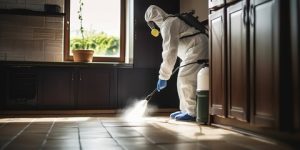
At its core, Integrated Pest Management is about balance. Rather than treating every pest sighting with aggressive measures, IPM emphasizes understanding the root cause of infestations. This means identifying entry points, evaluating sanitation practices, and monitoring conditions that allow pests to thrive. For homes and buildings alike, this proactive approach can reduce recurring problems and provide lasting results. As more people seek efficient and responsible pest solutions, Integrated Pest Management continues to gain recognition as a reliable strategy for long-term control.
What Integrated Pest Management Really Means
Integrated Pest Management is often misunderstood as a single treatment method, but it is actually a comprehensive process that combines multiple strategies. The goal is not simply to eliminate pests but to create conditions where pests struggle to survive. This involves ongoing observation, accurate identification of pest species, and the use of preventive practices that reduce the need for repeated treatments.
A typical IPM program begins with a detailed inspection of the property. Technicians evaluate structural conditions, moisture levels, and sanitation habits to determine why pests are present. Instead of applying broad solutions, they focus on specific factors that contribute to infestations. This method helps reduce unnecessary interventions while increasing the effectiveness of long-term pest control.
Integrated Pest Management also promotes education and awareness. Property owners play an active role by maintaining clean environments, reporting early warning signs, and following preventive recommendations. This partnership between professionals and occupants creates a stronger foundation for sustainable pest management.
The Core Principles Behind IPM
Integrated Pest Management is built on several key principles that guide decision-making and treatment strategies. These principles help ensure that pest control remains effective while minimizing risks to occupants and the environment. Rather than relying on a single solution, IPM combines observation, prevention, and targeted action.
Some of the core components of Integrated Pest Management include:
- Regular monitoring and accurate identification of pests before deciding on treatments
- Emphasis on prevention through sanitation, structural maintenance, and environmental adjustments
Monitoring allows property owners to track pest activity over time. By understanding patterns and seasonal trends, IPM programs can address issues early and avoid large-scale infestations. Prevention, meanwhile, reduces the conditions that attract pests in the first place. Together, these strategies form the foundation of a smarter pest control approach.
Another important principle is adaptability. Integrated Pest Management is not a one-size-fits-all solution. Each property has unique challenges, and IPM strategies evolve as conditions change. This flexibility makes it a practical choice for both residential and commercial environments.
Prevention as the First Line of Defense
One of the defining features of Integrated Pest Management is its focus on prevention. Instead of waiting for pests to appear, IPM encourages proactive steps that reduce the likelihood of infestations. This begins with maintaining clean and organized spaces where pests have limited access to food, water, and shelter.
Structural maintenance plays a major role in prevention. Small gaps around doors, windows, or utility lines can provide easy entry points for pests. Sealing these openings, repairing damaged materials, and maintaining proper ventilation help create barriers that discourage pest activity. These simple adjustments can significantly reduce the need for more intensive treatments later.
Preventive strategies often include:
- Improving waste management and food storage practices to eliminate attractants
- Managing moisture levels to prevent environments where pests thrive
By addressing these factors early, property owners create conditions that support long-term pest resistance. Prevention is not about perfection; it is about consistency. Small daily habits combined with periodic maintenance can make a noticeable difference in keeping pests away.
Monitoring and Early Detection
Monitoring is another essential element of Integrated Pest Management. Rather than reacting to infestations after they become severe, IPM programs rely on regular inspections to identify early warning signs. These inspections may involve checking high-risk areas such as storage rooms, kitchens, and exterior entry points.
Early detection allows for targeted solutions that address problems before they escalate. For example, identifying minor pest activity during routine monitoring can lead to simple preventive adjustments instead of large-scale interventions. This approach saves time, reduces stress, and helps maintain a stable indoor environment.
Monitoring also helps track the effectiveness of preventive measures. By documenting changes in pest activity, property owners and professionals can determine which strategies are working and which areas need improvement. Over time, this data-driven approach leads to more efficient pest management practices.
Targeted Treatments Instead of Broad Solutions
One of the most significant advantages of Integrated Pest Management is its emphasis on targeted treatments. Instead of applying treatments across an entire property, IPM focuses on specific areas where pests are active. This precision helps minimize disruption while ensuring that interventions are effective.
Targeted treatments may include physical barriers, habitat modifications, or carefully placed products designed to address particular pest behaviors. By using a strategic approach, IPM reduces unnecessary exposure and promotes a safer environment for occupants.
This method also supports long-term control. Broad treatments may provide temporary relief, but without addressing underlying causes, infestations often return. Targeted solutions, combined with preventive practices, help break pest life cycles and reduce the likelihood of recurring problems.
Environmental Responsibility and Sustainability
Integrated Pest Management is often associated with environmentally responsible practices. Because IPM prioritizes prevention and monitoring, it reduces reliance on repeated treatments and promotes thoughtful decision-making. This balanced approach benefits both indoor environments and surrounding ecosystems.
Sustainability within IPM does not mean avoiding treatments altogether. Instead, it means using the most appropriate solution at the right time. By considering factors such as pest behavior and environmental conditions, IPM strategies aim to achieve effective results with minimal impact.
For property owners who value long-term sustainability, Integrated Pest Management offers a practical way to align pest control with responsible environmental practices. The focus on prevention, efficiency, and adaptability ensures that pest management remains effective without unnecessary excess.
The Role of Professional Expertise in IPM
While many preventive steps can be handled independently, professional guidance plays a key role in successful Integrated Pest Management. Professionals bring experience, tools, and knowledge that help identify hidden risks and develop customized strategies. Their expertise ensures that pest identification is accurate and that treatment decisions are based on reliable information.
Professional involvement often includes detailed inspections, ongoing monitoring programs, and recommendations tailored to specific property conditions. This collaborative approach allows property owners to stay informed while benefiting from expert insights. Over time, the partnership between professionals and occupants strengthens the effectiveness of IPM strategies.
Education is another important aspect of professional involvement. Understanding how pests behave and what attracts them empowers property owners to maintain preventive habits that support long-term success.
Why Integrated Pest Management Supports Long-Term Control
Integrated Pest Management stands out because it addresses the root causes of infestations rather than just the symptoms. By combining prevention, monitoring, and targeted solutions, IPM creates a comprehensive strategy that adapts to changing conditions. This long-term perspective helps reduce the cycle of recurring pest problems that many property owners experience.
Consistency is the key to success with IPM. Regular inspections, routine maintenance, and open communication between occupants and professionals ensure that small issues are addressed promptly. Over time, these efforts build a stable environment that discourages pests from returning.
The long-term benefits of Integrated Pest Management include improved indoor comfort, reduced maintenance costs, and greater confidence in pest control outcomes. Instead of reacting to emergencies, property owners can maintain a proactive approach that supports lasting protection.
Integrated Pest Management represents a smarter approach to long-term pest control by focusing on prevention, monitoring, and strategic action. Rather than relying on quick fixes, IPM encourages a deeper understanding of pest behavior and environmental conditions. This comprehensive method helps create healthier indoor environments while reducing the need for repeated treatments.
By embracing Integrated Pest Management, property owners gain a practical framework for maintaining pest-free spaces. Through consistent preventive practices, early detection, and targeted solutions, IPM provides a balanced and effective path toward long-term control. As awareness of sustainable pest management continues to grow, Integrated Pest Management remains a reliable and forward-thinking strategy for protecting homes and buildings from ongoing pest challenges.